
The Cannabis Buying Cycle Explained
If you’ve been in this space long enough, you start to notice a pattern—most buyers aren’t losing money because of bad products. They’re losing because they don’t understand when and how to buy.
As someone leading a B2B distribution operation and working closely with Hall of Flowers Ventura, I’ve seen both sides: brands sitting on fire product that doesn’t move, and dispensaries scrambling to restock what they should’ve secured weeks earlier.
This article breaks down the real cannabis buying cycle—not the theory, but the version that actually plays out in the market—and how you can use it to stay ahead instead of reacting late.
Why Most Buyers Get the Cannabis Buying Cycle Wrong
Let’s be honest—too many buyers still operate off hype.
They chase what’s trending on Instagram, what sold out last week, or what a rep pitched aggressively. The result? Overstock, missed opportunities, and inconsistent shelves.
I remember a dispensary we worked with early on. They passed on a batch we flagged as “next to move” because it didn’t have flashy branding yet. Two weeks later, they came back asking for it—completely sold out. Meanwhile, the SKUs they bought based on hype? Still sitting.
That’s the cycle at work.
If you don’t understand timing, you’re always late.
What the Cannabis Buying Cycle Really Looks Like
At its core, the cannabis buying cycle is a loop:
Cultivation → Harvest → Processing → Distribution → Retail → Consumer Feedback → Back to Cultivation
But here’s the part most people miss:
The real advantage isn’t knowing the steps—it’s knowing where you sit in the cycle and how early you’re making decisions.
There are two layers to this:
-
B2B Cycle → growers, processors, distributors, dispensaries
-
B2C Cycle → dispensaries to consumers
Our role at the distro is simple and sharp:
We sit in the middle—and we move what actually sells.
The distro section is strictly for sales. No fluff. No theory. Just product flow.
Cultivation & Harvest Timing: Where Winners Are Decided Early
Everything starts at the grow.
But here’s the reality—by the time most buyers hear about a “fire batch,” it’s already halfway through the cycle.
Indoor grows run more predictable rotations. Outdoor? Seasonal spikes. If you’re not aligned with those timelines, you’re either:
-
Paying more
-
Getting leftovers
-
Or missing out completely
From our side, we’re already tracking what’s coming 30–60 days before it hits the market.
That’s where relationships matter.
Buyers who stay connected early get:
-
Better pricing
-
First access
-
Consistent supply
Everyone else? They’re competing for what’s left.
Processing, Testing & Product Readiness: Where Perception Gets Built
Once harvested, the product goes through drying, curing, trimming, and testing.
This is where branding starts to distort reality.
You’ll see two products:
-
One with loud marketing
-
One with clean numbers (THC %, terpene profile, consistency)
Guess which one actually reorders?
The second one.
We’ve seen it over and over—products that look average on the surface but outperform everything because the experience is consistent.
As a buyer, your job isn’t to chase what looks good. It’s to secure what sells again.
Distribution: Where Real Decisions Are Made
This is where we come in.
Distribution isn’t just logistics—it’s filtration.
We see:
-
What moves fast
-
What sits
-
What reorders
-
What dies after one push
That insight is everything.
At hallofflowersdistro.com, the focus is clear:
-
Curated inventory
-
Fast-moving SKUs
-
Bulk-ready supply
We don’t list products just because they exist. We move what’s proven.
I’ve had brands come in convinced they had the next big thing. Sometimes they’re right. Sometimes they’re not. The market decides quickly—and we adjust just as fast.
Retail Buying: Where Strategy Beats Emotion
Dispensaries don’t fail because they lack options. They fail because they misread demand.
The biggest mistake?
Buying like a fan instead of an operator.
You don’t need:
-
The highest THC
-
The loudest branding
-
The most hyped drop
You need:
-
Turnover
-
Margin consistency
-
Repeat purchases
One operator we work with flipped their entire strategy after tracking sell-through weekly instead of monthly. They stopped chasing trends and started doubling down on what actually moved.
Their revenue didn’t just grow—it stabilized.
That’s the goal.
The Consumer Feedback Loop: The Market Speaks Fast
Consumers don’t lie.
If a product is good:
-
It moves
-
It gets requested again
-
It builds quiet momentum
If it’s not:
-
It stalls
-
Discounts start
-
Shelf space gets wasted
This data flows back through the chain:
-
Retail → Distro → Brands → Growers
And this is where the cycle resets.
The smartest buyers don’t wait for reports. They watch movement in real time.
Where Hall of Flowers Ventura Fits Into All This
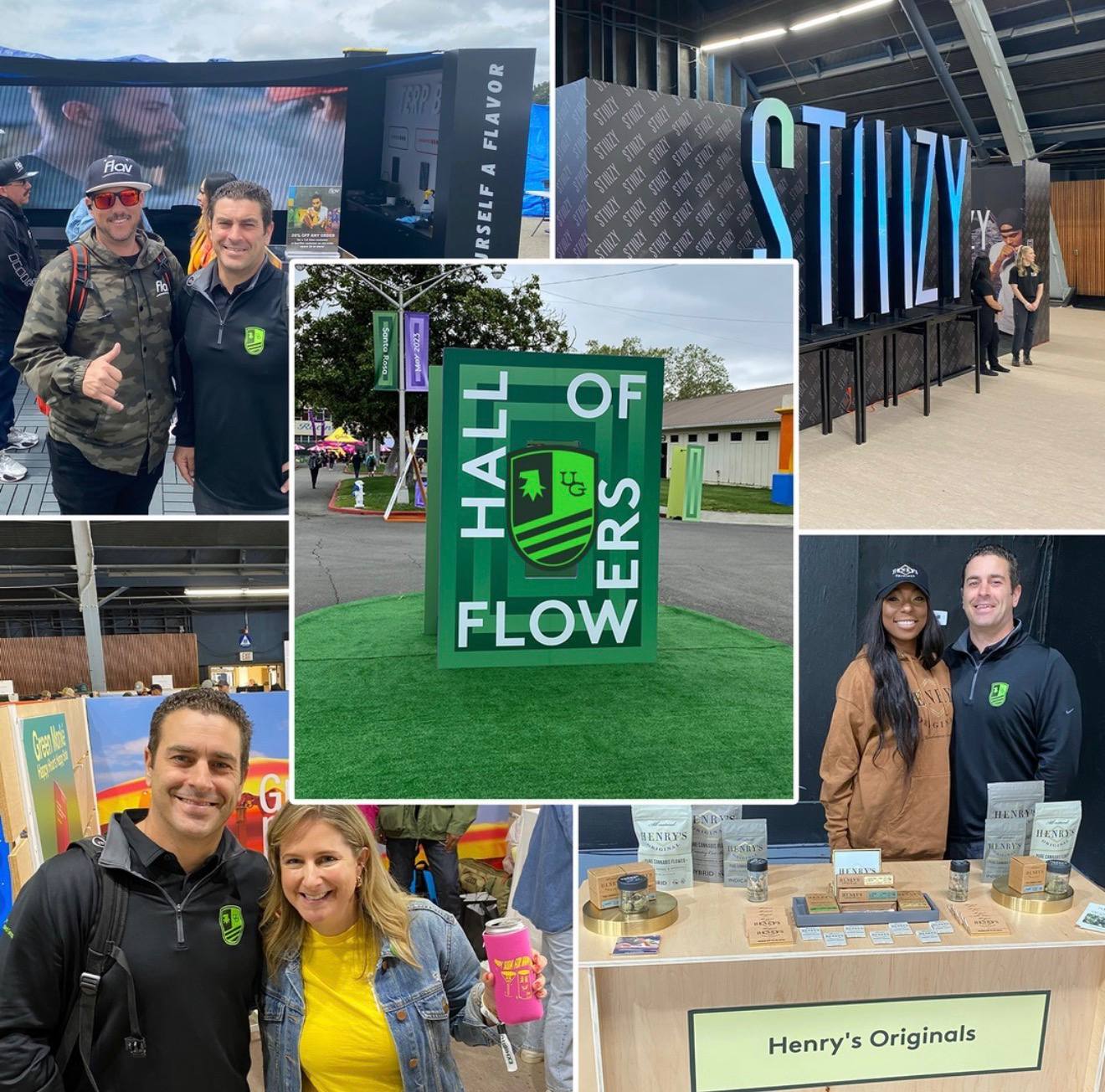
If the buying cycle is the engine, then Hall of Flowers Ventura shows (2026) are where you see the future before it hits the road.
This is where:
-
Brands showcase upcoming drops
-
Buyers discover what’s next
-
Distributors identify future movers
From our perspective, these shows aren’t just networking events—they’re forecasting tools.
We walk in looking for:
-
Consistency
-
Scalability
-
Real demand potential
Because what you see there today… is what your customers will ask for tomorrow.
How We Bridge the Gap Between Supply and Demand
Here’s the reality most people don’t say out loud:
There’s a gap between what’s produced and what actually sells.
Our role is to close that gap.
At the distro:
-
We filter inventory
-
We align supply with demand
-
We help buyers move smarter, not harder
And again—this section is strictly for sales.
If it doesn’t move, it doesn’t stay.
Common Mistakes That Kill Profit in the Buying Cycle
Let me keep this direct:
-
Buying too late → you pay more and get less
-
Overvaluing hype → you sit on inventory
-
Ignoring data → you repeat bad decisions
-
Not building relationships → you stay reactive
Every one of these is avoidable.
But only if you understand the cycle.
How to Actually Win the Cannabis Buying Cycle
Here’s what works—consistently:
Build Early Access
Don’t wait for products to hit the market. Get in before they do.
Track Sell-Through Weekly
Monthly tracking is too slow. The market moves fast.
Diversify Smartly
Balance flower, extracts, and prerolls—but only with proven movers.
Work With a Distro That Knows Movement
Not all supply is equal. You need curated flow, not endless options.
FAQs Buyers Always Ask
How often should dispensaries restock?
Weekly or bi-weekly, depending on volume. The key is consistency, not bulk hoarding.
Is it better to buy direct or through a distro?
Direct works for relationships. Distribution works for efficiency and scale. The best operators use both.
What’s the best time to buy?
Before the market peaks—not during it.
How do you know what will sell?
You watch patterns, not hype.
Final Word: Master the Cycle or Stay Behind It
Once you understand the cannabis buying cycle, everything changes.
You stop guessing.
You stop chasing.
You start positioning.
From cultivation to consumer, every step is connected. And if you learn to move early, read demand, and work with the right partners—you don’t just keep up.
You lead.
If you’re serious about sourcing smarter and staying ahead of the curve, start where the movement is happening:
👉 hallofflowersdistro.com
That’s where the cycle turns into sales.